
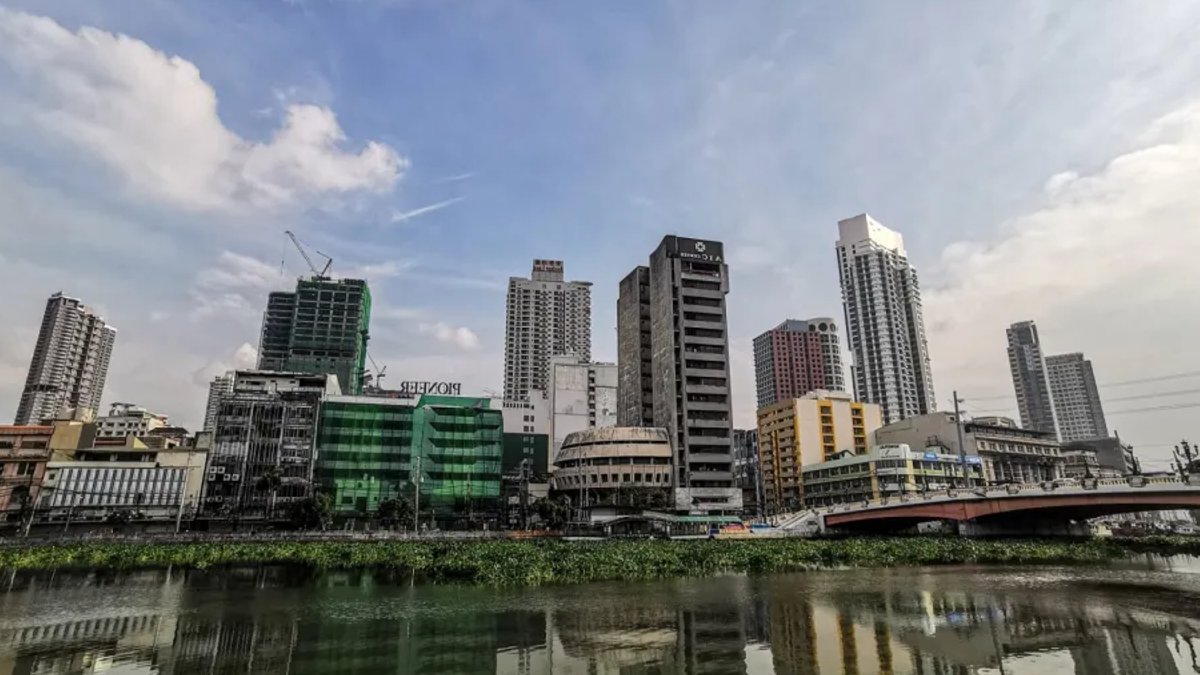
Metro Manila’s hotel pipeline is set to expand significantly over the next several years, with a robust forecast of 6,200 new rooms expected to open through 2030. The market experienced a seasonal easing in the second quarter of 2026, according to JLL, a major commercial real estate services firm. Average daily rates (ADR) dropped to PHP 7,976, a decrease of 0.7% from the previous quarter. Revenue per available room also declined during the period as the sector entered its typical mid-year moderation.
Silence blanketed the supply side of the market during Q2 2026, with no new hotel projects entering the sector. While no rooms were added in the last three months, development activity remains high. Approximately 3,500 rooms are expected to come online before the end of the year, signaling that the expansion plans are not pausing. The broader pipeline remains substantial, reflecting the long-term commitment to growth in the capital region.
Local Brands Lead the Way
Local hotel brands are dominating the development pipeline, a trend that highlights strong confidence in the Metro Manila market. The data suggests that domestic operators are leading the charge, though foreign developers continue to be active participants. This mix of local and international interest indicates a sustained level of activity that goes beyond short-term trends.
Related: Prime retail demand resilient as Singapore malls revamp
The second quarter results show a market correcting itself after the post-pandemic surge. The decline in ADR and RevPAR was anticipated as demand naturally tempers in the middle of the year. Despite the current dip, the pipeline shows that investors are betting on future performance. Without new supply entering the market in Q2, the existing players are holding their ground while preparing for the influx of guests that the new developments will aim to capture.
Regional Connectivity and Competition
Looking ahead, regional air connectivity is expected to play a critical role in supporting tourism demand. JLL highlighted specific developments in the Philippines-Vietnam corridor. Vietjet has launched a new route to Cebu, and Vietnam Airlines is expanding an existing partnership. These moves are intended to increase capacity and facilitate joint tourism marketing between the two nations.
The surge in planned room inventory creates a challenging environment for existing operators. While the pipeline demonstrates faith in Metro Manila’s tourism potential, it also points to a competitive setting that will likely intensify. Hotel operators will need to handle a market where room availability increases just as regional travel routes are being expanded.
Related: Delhi logistics vacancy to stay below 15% through 2030
There is a delicate balance between the growth of supply and the improvement of air travel links. Even with the new connectivity between the Philippines and Vietnam, adding thousands of new rooms could put downward pressure on occupancy rates if tourist volume does not grow at the same pace. Operators will face pressure to differentiate their offerings rather than relying on volume alone.
The coming years will test the resilience of Metro Manila’s hospitality sector. With over 6,000 rooms slated for completion, the focus will shift from expansion to optimization. Success will depend on attracting foreign and regional travelers to fill the new inventory while managing rates in a market that is currently experiencing a temporary cooling period.


