
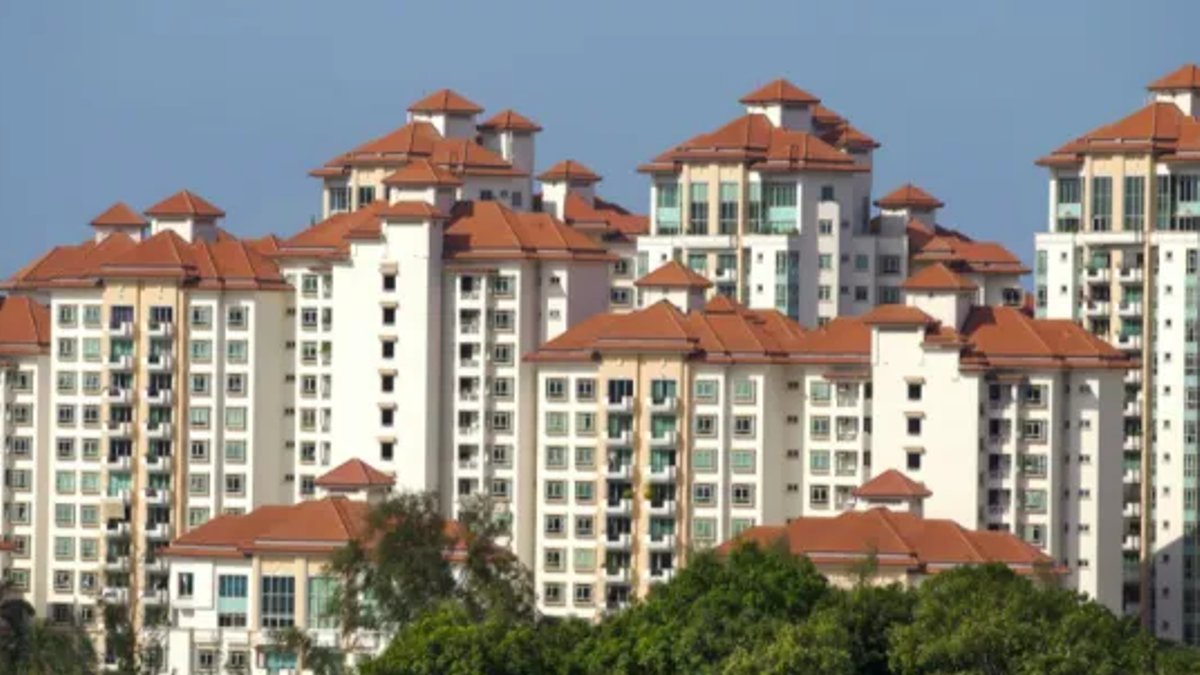
Singapore’s private residential completions reached their lowest point in four quarters during the second quarter of 2026, with new supply adding little to the city-state’s housing stock.
The number of completed private homes, excluding executive condominiums, increased by only 416 units in Q2, a 0.1% rise from the previous quarter, according to data from the Urban Redevelopment Authority. This was the smallest quarterly net addition since Q2 2025, when just 273 units were finished.
Supply growth slows
The slight increase reflected a quiet quarter for project completions, with few developments receiving temporary occupation permits. The largest additions included Bartley Vue, a 115-unit boutique apartment project in District 19, and two landed developments in District 28: Pollen Collection (132 landed homes) and Belgravia Ace (107 semi-detached and terrace houses).
Related: Drones Help Housing Provider Spot Repairs Early
By the end of June, Singapore’s total completed private residential stock stood at 424,581 units.
Despite the limited new supply, the vacancy rate for completed private homes rose 0.2 percentage points to 6.4% in Q2. Vacant units increased by 803, with nearly 90% of that growth—721 units—coming from landed housing. Non-landed vacancies, by contrast, rose by only 82 units.
Vacancies rise as landed homes lag
The increase in vacant landed homes was concentrated in the Outside Central Region, where many of the quarter’s completions were located. Some of this rise was likely temporary, as buyers and tenants took time to move into newly finished projects like Pollen Collection and Belgravia Ace.
Related: Mortgage arrears rise in the UK
The trend may also reflect weaker leasing demand for landed properties, a change from the stronger rental performance seen in parts of the non-landed market.
Market adjusts to slower demand
The data indicates a market in transition, where supply continues to arrive but demand does not match it evenly. The 6.4% vacancy rate remains below past peaks, but the upward trend requires attention, especially if economic conditions worsen or borrowing costs remain high.
Developers are likely to move carefully, postponing new launches until demand shows clearer signs of recovery. The coming quarters will show whether the slowdown in completions is temporary or the beginning of a longer adjustment for Singapore’s private housing sector.


