
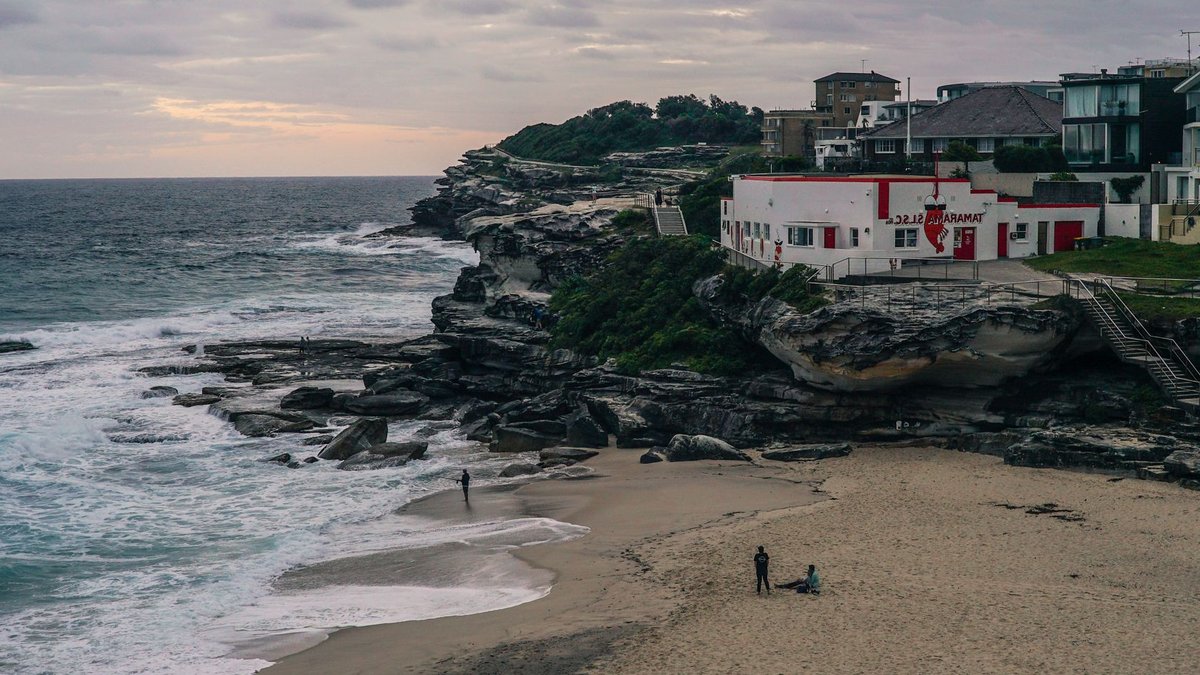
A Sydney landmark will soon become Australia’s first UMusic Hotel, a move that signals a major change for the hospitality sector. The former Noah’s Backpackers on Bondi Beach will be transformed, joining a global trend where hotels now blend live music and entertainment with lodging to attract younger travelers and event attendees.
The site has served as a backpackers hostel for decades, prized for its beachfront location and lively atmosphere. Its conversion into a UMusic Hotel—a concept merging accommodation with live music venues—aligns with a worldwide shift toward multi-use spaces that merge entertainment and hospitality. Similar projects have already taken root in cities like London and Berlin, where operators have successfully integrated live performances into hotel designs.
Ownership details have not been disclosed, but industry contacts suggest a consortium of investors is behind the deal, targeting high-value coastal properties. The Bondi Beach location guarantees strong visitor traffic and brand recognition. However, the transition from a budget hostel to a premium music hotel may strain affordability for long-term residents and backpackers who depend on the area’s low-cost lodging options.
The UMusic Hotel concept remains new in Australia, with only a few comparable ventures operating in Melbourne and Brisbane. These properties typically host live performances, DJ sets, and themed events, primarily appealing to younger audiences. The Bondi Beach project could establish a benchmark for how Australian hotels adapt to evolving consumer preferences, especially as post-pandemic travel increasingly favors experiences over traditional tourism.
Planning approvals and tenant negotiations are currently underway, though the repurposing is not yet finalized. The development will likely include standard hotel rooms, private event spaces, and a dedicated music venue. Initial designs aim to preserve the building’s existing character while incorporating modern features such as soundproofed performance areas and outdoor stages.
The broader trend in Sydney’s hospitality sector involves repurposing older properties to meet new demands. Nearby, the historic North Sydney Hotel, operational since 1890, recently changed hands, while the Royal Oak Hotel in Double Bay sold privately. These transactions reflect a shift where heritage sites are increasingly seen as opportunities for reinvention rather than preservation.
Construction could begin within the next 12 months, pending council approval. If approved, the Bondi Beach UMusic Hotel would redefine the site’s purpose and test whether Australia’s hospitality industry can successfully integrate live music and events into its core offerings.
Bondi Beach’s cultural significance sets this project apart. More than a tourist destination, it is a hub for music, art, and nightlife. The hotel’s success will depend on whether it can replicate that energy indoors. Developers appear to be betting on a hybrid model: daytime beach access for guests, evening performances to attract crowds, and partnerships with local artists to maintain fresh appeal.
Sydney’s Office Market Sees High-Profile Leases and Sales Amid Shifting Demand
Two major office occupiers have extended their commitments in Sydney’s central business district, signaling continued demand despite broader market adjustments. The state government’s eHealth NSW has renewed its lease in a key precinct, reinforcing the sector’s reliance on public-sector tenants. Meanwhile, a 570-bed aged-care portfolio, including the former Epping Gardens complex, where 38 residents died during a COVID-19 outbreak, has been sold, reflecting investor interest in the sector despite past operational challenges.
In the Lower North Shore, Transport for NSW sold a site previously designated for power infrastructure, adding to the area’s evolving real estate environment. Nearby, a 1970s-era childcare center has been marketed for conversion into a luxury residential project, with plans to yield over 20 apartments. The shift from commercial to residential use shows the adaptability of Sydney’s property market, particularly in areas transitioning from industrial or office-focused zones.


