
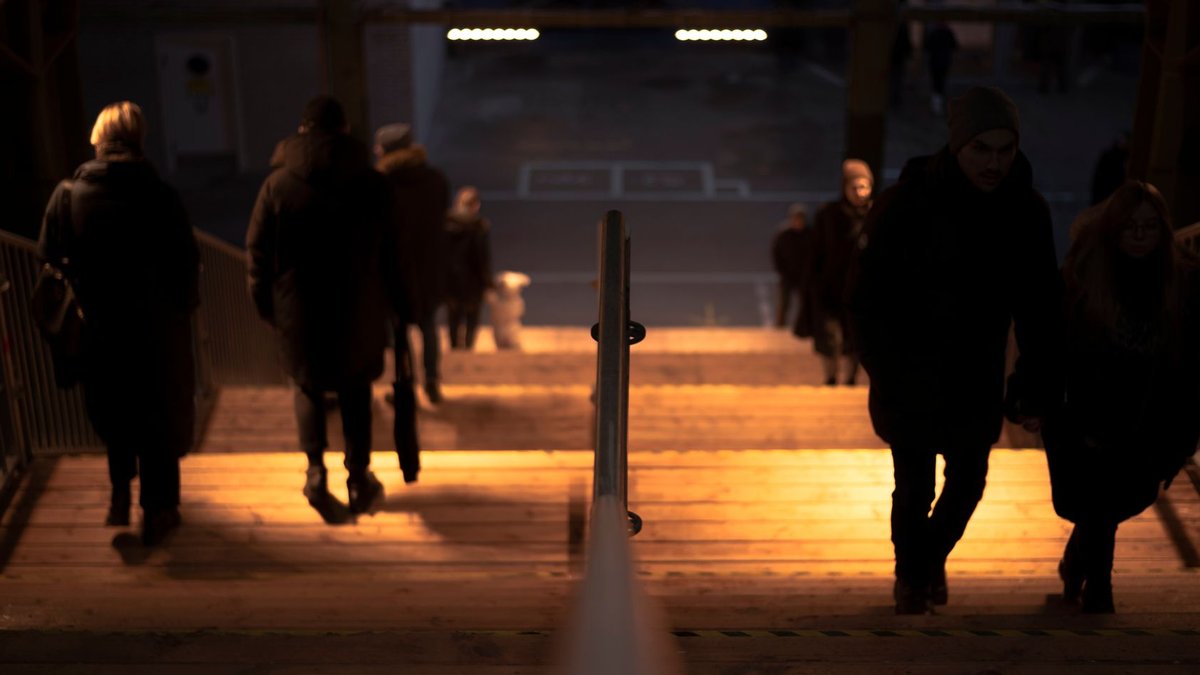
When evaluating a mixed-use development project, it is essential to consider how people will arrive and interact with a central plaza. Jan Gehl, author of Cities for People, emphasizes the importance of observing how streets and plazas are used. In a 2013 interview with Assemble Papers, Gehl notes that human senses are prepared to perceive the environment while walking.
His criticism extends to attractive developments that are poorly organized for pedestrians. To apply this perspective to a project, it is necessary to slow down the review process and walk through the space. This allows for the identification of potential issues, such as a closed door, a parking exit with poor visibility, or a stretch where people struggle to find a place to stop.
Assessing the Project
The project team can start by drawing three routes: from public transportation, from nearby residences, and from the passenger drop-off point. They can then walk these routes at different times, recording wait times, obstacles, and areas of exposure to sun or rain. Visiting the site at noon and again at closing time can reveal different problems. It is also important to consider who might be excluded from the typical visit. A person using a wheelchair, someone carrying merchandise, or someone who needs to rest during the journey will face different conditions. Inviting real users to provide feedback can offer valuable insights that the team might not have discovered on their own.
Read Also: European real-estate groups urge simpler EU tax rules
Revising the Project
The findings from the assessment should be converted into identifiable decisions. If a planter narrows the path, its position and function should be revised. If access depends on crossing a parking lot, an alternative connection should be studied. If the planned shade will take years to materialize, the budget should account for how to address the issue in the meantime. Each observation requires a responsible party, cost, and deadline.
The team should also consider the ground floor’s operating hours. A commercial front may be open during the day but closed at night, and a plaza may appear open but actually depend on the hours of a nearby business.
Long-term Considerations
For this reason, the review should include the future operator. Jan Gehl suggests that the team should consider who will maintain the lighting, clear obstacles, and manage the doors. The rental and management agreements must align with the functionality the design promises. Otherwise, the approved route may cease to exist once operations begin.
Read Also: Conference registration details announced for members
The investment file can include a route plan, photographs of existing conditions, and a list of improvements with budgets. A follow-up observation after opening can verify how the space is being used. However, claiming that these interventions will increase a specific rent would require additional evidence.
Applying Gehl‘s ideas to a Mexican city requires considering the local climate, mobility, security, accessibility, and practices. His observations do not replace existing technical requirements or consultations with local residents.
The committee’s final consideration can be simple: what would a person need to resolve to arrive, enter, and stay at the development? Answering this question by walking through the space offers a way to review the project before difficulties become part of its daily operation.


