
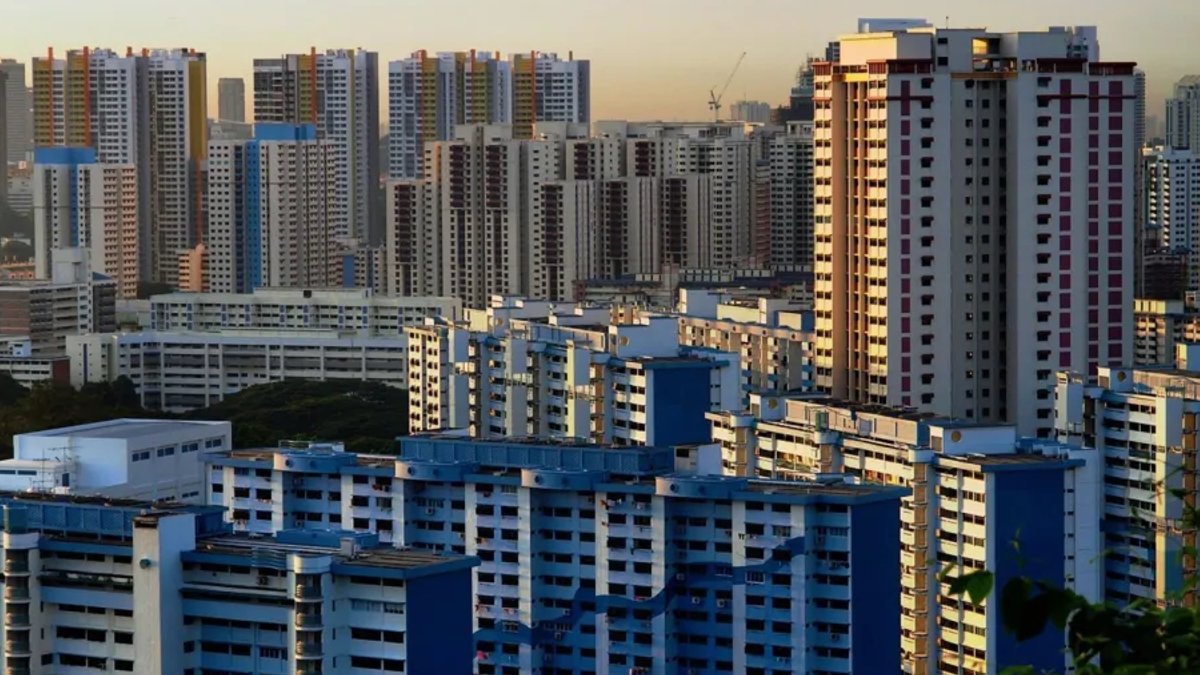
Investors are turning their attention to Singapore’s mid‑term rental gap, a segment that sits between short‑term hotel stays and long‑term residential leases.
Limited lease options create a market void
Private residential contracts in the city‑state require a minimum three‑month commitment, while public housing units demand at least six months. Short‑term platforms such as Airbnb are effectively prohibited, leaving a narrow band of stay lengths without clear products.
Maureen Li, chief executive of ABIEL Property Investment Fund, said the regulatory framework defines the gap but does not itself generate demand. “That’s precisely why no existing product was ever designed for the three‑to‑24‑month resident,” she wrote in an email response to inquiries.
Government data cited by Li shows that Singapore citizens made up only about 15 % of tenants in private residential leases during 2018‑2019, showing the reliance on foreign renters to fill the market.
Without a dedicated offering, many expatriates and long‑term travelers must handle a patchwork of short‑term hotels, corporate housing, or informal sublets.
Related: Singapore luxury homes market to surge
Co‑living and institutional interest
Co‑living spaces, one of the few formats that address stays of three to 24 months, comprise fewer than 10,000 rooms across the country, according to Emily Fell, senior director for living sectors at Savills Plc. The sector remains small relative to the overall rental pool.
Research commissioned by ABIEL indicates that capital value growth for individual shophouses has averaged roughly 15 % per year over the past three decades, compared with about 2.28 % per year for residential condominiums in the same period.
ABIEL began buying properties in Geylang when institutional exposure to the segment was limited. Since then, interest from professional and institutional players has risen, prompting the fund to expand its portfolio.
Compared with markets like Hong Kong, where purpose‑built serviced apartments dominate the mid‑term niche, Singapore’s approach has been more fragmented, relying on operators adapting existing units. That difference suggests a slower path to large‑scale development, but also leaves room for investors to shape the emerging setting.
Fell said that sizable transactions involving extended‑stay portfolios or purpose‑built developments would signal stronger institutionalisation. “Today, most of the market remains fragmented and operator‑led,” she told a Zoom interview.
Related: Delhi home sales dip 16% in second quarter
The sector’s maturation will likely depend on institutions competing consistently for these assets rather than treating them as exceptions, she added.
For now, the market’s composition stays uneven, with many small operators offering bespoke solutions while larger funds test the waters.
Analysts note that the steady influx of foreign talent and the government’s emphasis on attracting high‑value professionals could sustain demand for mid‑term rentals, even as policy tweaks continue to shape supply trends.
As the segment gains visibility, investors will watch closely for signs of consolidation, such as joint ventures between local operators and overseas funds, which could bring the scale needed to lower per‑unit costs.


