
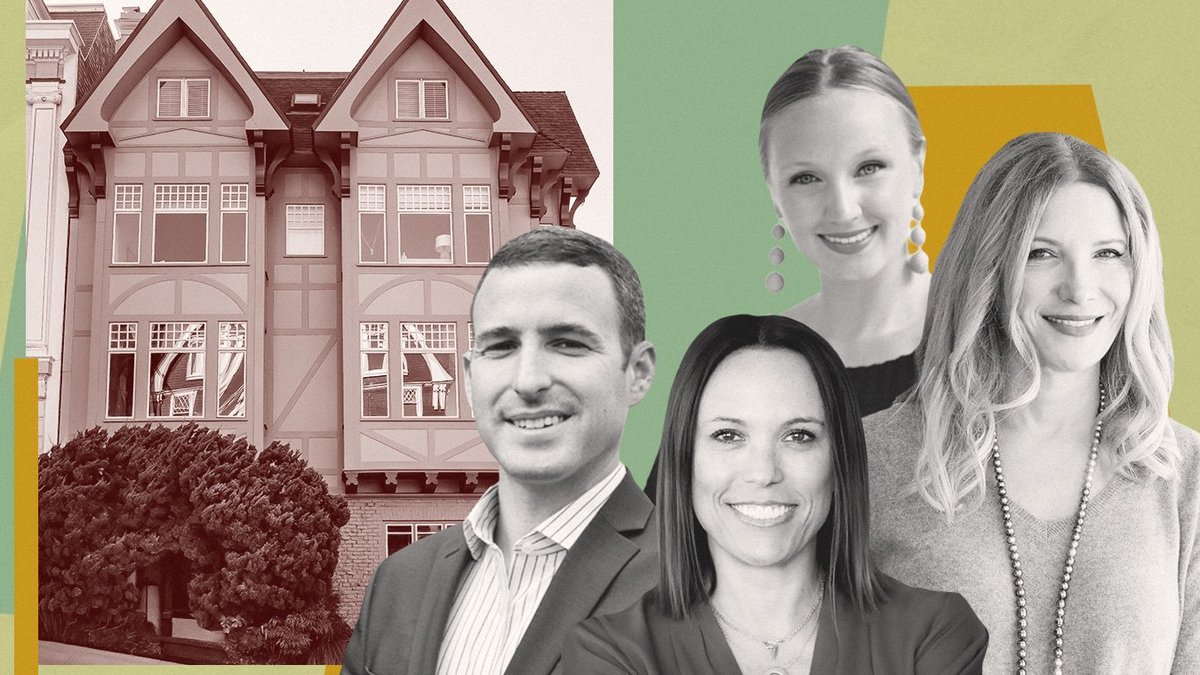
The San Francisco housing market has been described as “off the rails” after a surge of high-price sales this year, with headlines calling it “hysteria” and “absolutely bananas.” Yet agents say the behavior reflects a rational response to new wealth and scarce inventory.
Luxury bids break historic patterns
In the third quarter, 87 percent of homes sold above asking, according to a Sotheby’s International Realty report. Last month the average sale price reached 131 percent of list price, the highest monthly figure recorded so far in 2024.
One striking example is a Sea Cliff residence of roughly 6,000 sq ft that fetched more than $5 million over its asking price within a week of being listed.
Data shows the trend is not limited to single-family homes. In the city’s 9th District, which includes SoMa and South Beach, Sotheby’s recorded 271 condo transactions in Q3, outpacing any other district.
This year the opposite has occurred.
In Noe Valley, a home listed just under $7 million closed for $9.1 million after receiving an offer over $2 million above asking. The seller accepted the bid within seven hours of the online listing.
Brokers rely heavily on granular data to set prices. Zaludova said she never intentionally underprices and instead tries to “nail it.” She explained, “You need to be intimately familiar with every single sale in that segment and every property,” and added, “You have to be aware of what other choices buyers have.” She also said it’s key to know how many active buyers there are for the kind of home you’re listing, and that relationships with other agents help fill gaps in market intelligence.
On Friday, the specialist closed a Pacific Heights mansion for exactly its listed price of $9.9 million, demonstrating that precise pricing remains possible despite volatility. Earlier, she sold a North-of-Lake Street estate for $13.5 million, a $1.5 million premium over the asking price of $12 million.
AI-driven wealth reshapes demand
Compass’s Justin Goldberg focuses on condos near AI office hubs, pricing units two to three months ahead of market moves. He reports that most sales occur at asking or about 5 percent above.
Goldberg notes that a growing share of his clientele are AI investors seeking second homes.


