
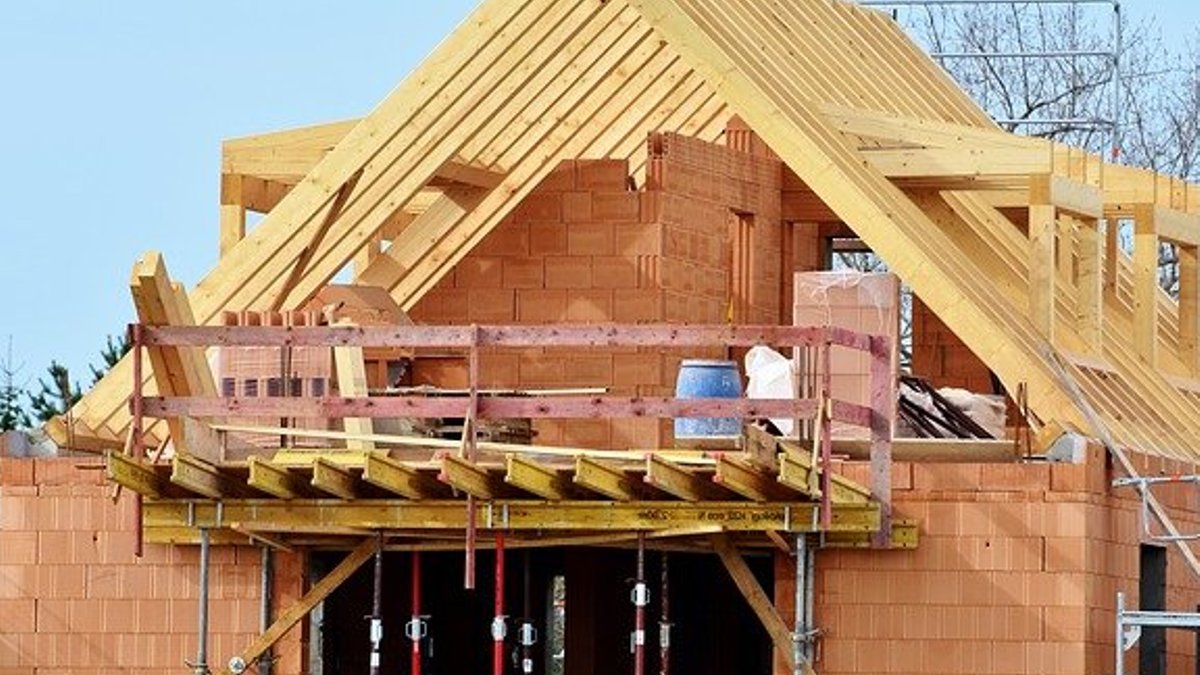
UK housebuilding downturn eased in July, according to the latest S&P Global construction survey, though residential building remains in contraction.
Survey shows modest lift in housebuilding index
The housebuilding index within the S&P Global UK Construction Purchasing Managers’ Index rose to 41.8 from 35.9 in June, following nine consecutive months below the 40 mark.
While the figure still signals contraction—readings under 50 indicate a shrinking sector—the pace of decline slowed considerably. The broader construction PMI also climbed, reaching 44.7 from 38.4 a month earlier. Analysts say the data suggest the sector is beginning to stabilise after a sharp second‑quarter slump.
New orders hit their highest level since September 2025, yet the index still points to falling workloads. Employment in construction fell for the 19th month in a row, but the rate of decline was the slowest since February. Business expectations rose to their strongest level since that same month.
Industry voices caution
Commentators warned that structural challenges remain. Joe Sullivan, a partner at MHA, noted that “housing remains under pressure, hit by affordability constraints, planning delays and fragile buyer confidence.”
Richard Pike, sales and marketing director at Phoebus Software, echoed the sentiment, adding that affordability and confidence continue to limit residential development. “There are some positive signs in the latest UK construction PMI that the downturn is starting to stabilise with output at its highest levels for four months,” he said. “However, the sector remains in contraction, with housebuilding continuing to underperform the wider construction sector.”
Pike argued that deep structural issues linger. “Affordability pressures and economic uncertainty mean many prospective buyers are delaying moves. Developers, in turn, are reluctant to bring forward new sites when demand remains uncertain.” He expects any recovery to be “very slow and gradual” until confidence returns.
Related: Signs of a Burnham bounce in housing
Kelly Boorman, national head of construction at RSM UK, called for clearer guidance on housing funding and the obstacles surrounding planning, design, and procurement. “Funding is of course welcome, but this alone won’t necessarily resolve some of the challenges the construction sector currently faces,” she said.
Maria Harris, chair of the Open Property Data Association, highlighted the impact of transaction delays. “Too many transactions still take months to complete, with buyers and sellers facing uncertainty at every stage,” she explained. “Developers are less willing to build if transactions are slow and unpredictable, while buyers become more cautious if they fear delays or unexpected costs.”
Confidence remains fragile.
The combination of tighter funding rules and lingering planning bottlenecks could keep activity subdued. Even with modest gains in the PMI, the market suggests that builders will stay cautious about launching new projects until buyer sentiment improves.
In the middle of these mixed signals, a measured outlook points to a gradual shift rather than a swift turnaround. If financing mechanisms become more predictable and transaction times shorten, developers may find it easier to align supply with tentative demand. However, without a clear rebound in consumer confidence, the sector is likely to inch forward rather than surge.
Overall, the July data provide a small sign of relief but do not erase the longer‑term issues facing UK housebuilding. The next few months will reveal whether the sector can move beyond stabilization and into genuine growth.


