
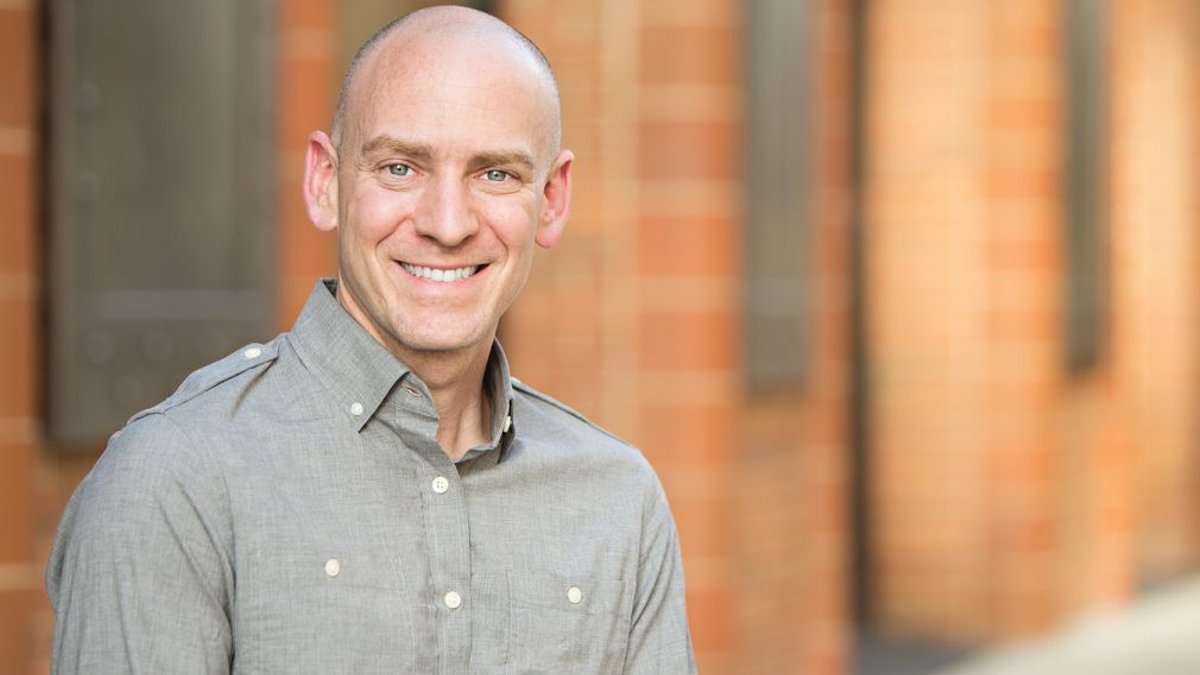
Camber Property Group marked its tenth anniversary this year, and the firm says it is its busiest yet, driven by two high‑profile affordable‑housing projects in New York City.
From Intern to Co‑Founder
Rick Gropper, the principal and co‑founder, traced his path back to a 2008 internship at L&M Development Partners after graduating from Columbia University’s real‑estate development program. He rose from assistant project manager to project manager, learning the full development cycle—land acquisition, financing, design, construction, and dealing with government approvals.
After a decade at L&M, Gropper and Andrew Moelis launched Camber in 2016. Starting in a cramped office space, they have grown a team of more than 100 staff. The company now claims a portfolio of roughly 13,000 units and an integrated operation that keeps acquisition, financing, construction, and property management under one roof.
Chelsea Symbol and Unity Towers
Camber’s recent headlines revolve around the $167 million redevelopment of Chelsea Symbol, where 131 affordable units, supportive housing, and community spaces will replace the former Bayview Correctional Facility at 550 West 20th Street. The firm was also selected for the $62 million modernization of NYCHA’s Unity Towers in Coney Island.
Related: AI startup Corgi launches 24/7 cafe in NYC
These projects illustrate Camber’s dual focus on preservation and new construction, with roughly half of its pipeline dedicated to each. The firm reports about 1,500 new‑construction units and 1,000 preservation units currently in development.
For residents, the impact of such projects is tangible. Turning a long‑abandoned correctional facility into affordable homes not only adds needed housing stock but also provides community spaces that can host local services, job training, or after‑school programs. In neighborhoods where rents have surged, these additions can help keep longtime residents from being displaced.
Challenges and Timelines
Gropper noted that affordable‑housing projects in New York often take years to move from concept to construction. The Chelsea Symbol project required about three years of design and planning before reaching a construction‑ready stage, with an expected three‑year build phase. Unity Towers took roughly a year of negotiations before securing the design‑build role.
Technical hurdles include hazardous‑material abatement, brownfield cleanup—since the site once housed a natural‑gas generator—and the integration of new floors onto a historic structure. The firm’s in‑house capabilities aim to reduce risk by handling many of these steps internally.
Related: Legora Takes Space at 11 Madison Avenue
Despite the lengthy timelines, Gropper expressed optimism about the city’s current housing agenda. The Block‑by‑Block plan targets the creation of 200,000 new units and the preservation of another 200,000, aligning with Camber’s growth strategy.
Camber’s expansion beyond New York—into Pennsylvania, Connecticut, New Jersey, and Ohio—reflects its broader ambition to apply its turnaround expertise to distressed assets and new development across the region.
Housing equity matters.


