
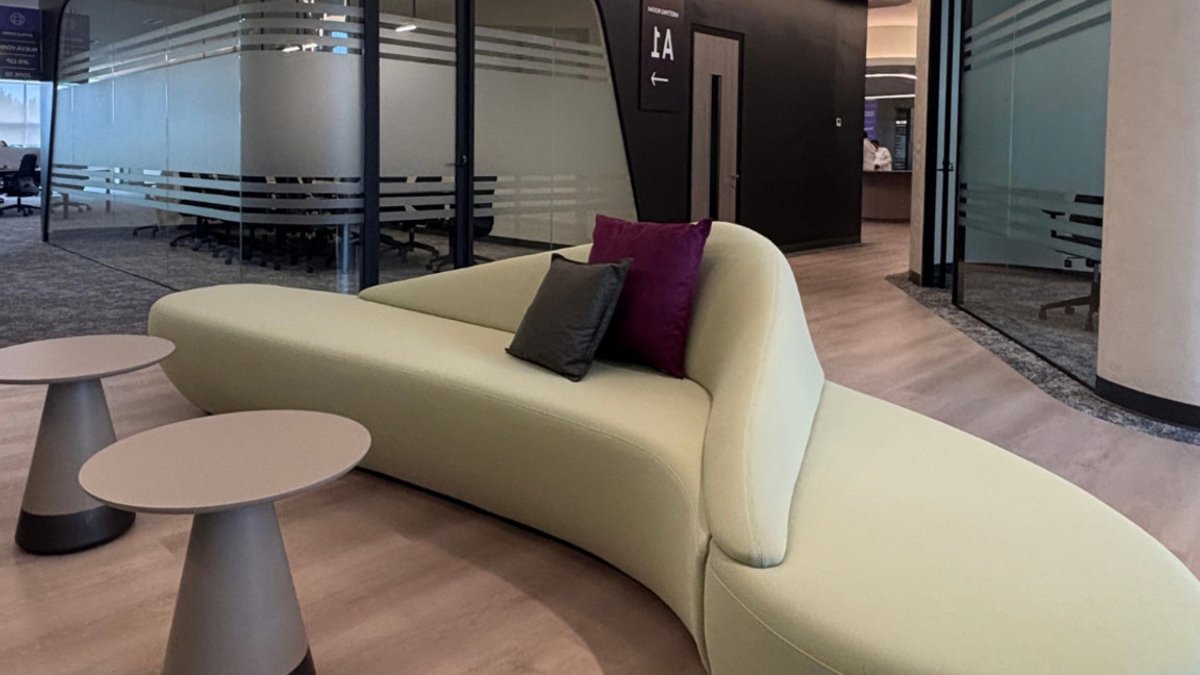
Architects and businesses are facing a challenge: how to design office spaces that motivate employees to return to in-person work. Marta Bonadie, founder and CEO of Taller 1339, emphasizes that this goes beyond creating a visually appealing office with a white cafeteria and chairs.
The focus is on designing an office experience that provides casual meeting areas, collaboration spaces, and a homely atmosphere. With many employees accustomed to working from home, it’s essential to create an environment that encourages them to return to the office.
Redefining Office Design: A Shift in Priorities
Bonadie highlights several changes in office design that she has observed across various industries. These include a move away from private cubicles for managers and directors, towards a more open communication style. Unassigned workspaces are also becoming popular, allowing employees to choose their seating arrangements based on their tasks.
Privacy remains important for phone calls and virtual meetings. Bonadie mentions two concepts she loves: phone booths, equipped for conferences with good acoustics, and focus rooms, individual stations for concentrated work on projects.
Collaboration is prioritized through flexible spaces, and efficient use of square footage is key. Bonadie notes that providing areas for coffee breaks and snacks, offered by the company, can enhance productivity and create opportunities for casual meetings and training sessions.
Read Also: G9 proposes rent negotiation change
Physical comfort, lighting, and acoustic materials are also key. Attention to lighting temperature and intensity ensures employees can work effectively. Monitoring temperature and providing proper ventilation are essential to avoid thermal stress, which can distract employees.
In cities like Mexico City, where some corporate offices lack natural ventilation, expert engineers are vital for maintaining air conditioning systems. The strategic use of natural plants can also improve air quality.
Acoustic panels made from mineral wool are recommended for their non-toxic and durable properties. These panels can also contribute to LEED certification.
Enhancing Office Comfort Through Environmental Factors
Acoustic comfort is addressed through the use of mineral wool panels, which are non-toxic and durable. These panels not only improve sound quality but also contribute to sustainability goals, such as LEED certification, by meeting environmental standards.
The Role of Color and Comfort
Color plays a significant role in creating a comfortable office environment. Bonadie suggests a balanced approach, using brand colors as accents rather than dominant features. She shares a formula inspired by biology: 60% earthy tones (grays or sandy colors), 30% sky-related colors (blue), and 10% plant-related colors (green).
Read Also: USG and Discovery announce Mexican architecture series
This combination, paired with wood, concrete, soft blues, and vegetation, creates a comfortable atmosphere. In a recent project for Avolta, Bonadie’s team started working with the client from the building search phase, allowing them to provide valuable advice on the pros and cons of each building.
The design for Avolta features open areas and considers short, medium, and long-term growth projections. The space is equipped with necessary installations, allowing for future furniture reconfigurations without major adaptations.
The office concept for Avolta is designed to evoke feelings of being in an airport or VIP lounge, with wooden touches and plants. Each space reflects the company’s daily operations, creating a unique and engaging environment for employees.
The Importance of Employee Experience and Growth
Bonadie emphasizes the significance of understanding a company’s operations and growth projections when designing office spaces. By working closely with clients from the building search phase, architects can provide valuable insights and recommendations.
Creating a Unique and Engaging Environment
The design concept for Avolta’s office aims to transport employees to a VIP lounge or airport setting, incorporating wooden elements and plants. Each area within the office reflects the company’s daily operations, supporting a sense of connection and engagement among employees.


