
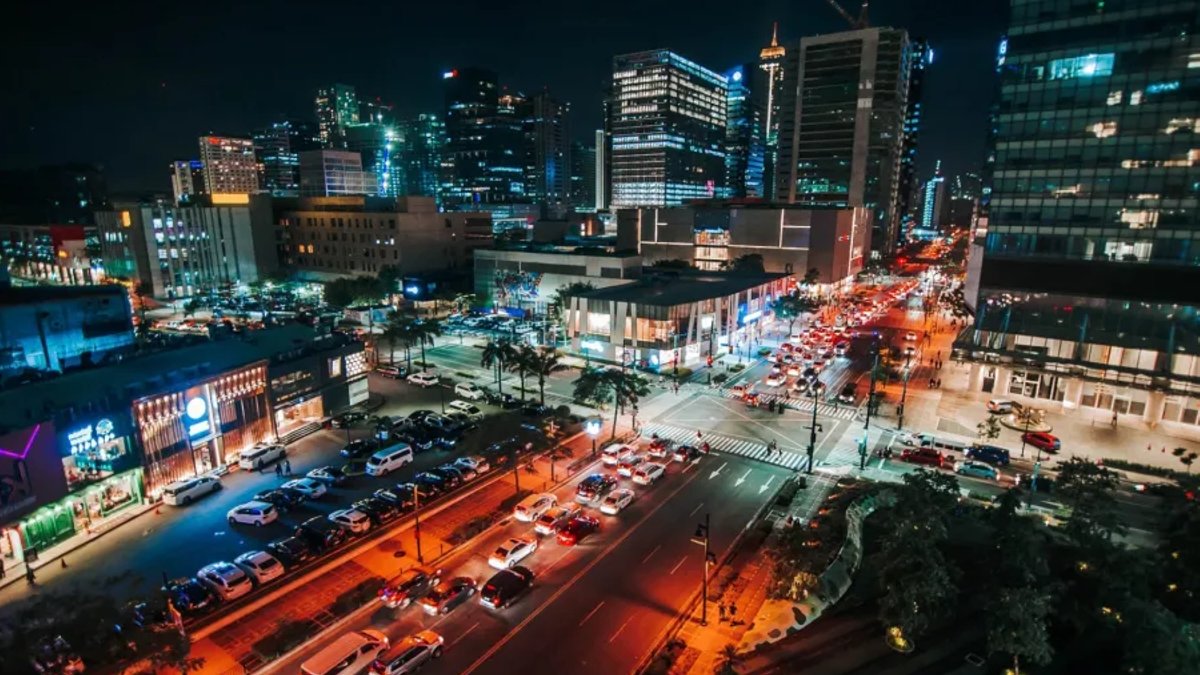
Manila’s retail market saw a reversal in absorption in the second quarter of 2026, with net absorption turning negative at -21,800 sq m, as per real estate consultancy JLL. This figure, which stood at a positive 45,600 sq m in the preceding quarter, reflects a significant shift in the market trends. The change in absorption was driven by retailers restructuring their operations and a surge in new supply, leading to an increase in vacancy rates.
Retailers Restructure, Vacancy Rises
Looking into the details, the negative net absorption can be attributed to increased vacancy and slower leasing activity. Some retailers exited their locations to restructure their operations and reposition their business models, leading to a decrease in occupied space. This shift was evident in the vacancy rate, which climbed to 5.8% in Q2 2026, marking a 75.1 basis point increase from the previous quarter’s rate of 5.05%. Despite this, average retail rents and capital values continued their upward trajectory, demonstrating the sector’s underlying resilience.
Approximately 26,000 sq m of new retail space was added to Manila’s market in the second quarter, with another 160,000 sq m expected to be delivered by the end of the year. This significant increase in supply, coupled with slower leasing activity, led to a rise in overall vacancy.
Related: Estate planning services in Minnesota: Navigating the Path to Long-Term Security
Local F&B brands accounted for a substantial share of new openings, taking advantage of stable consumer spending on dining out and experiential retail. However, it was also reported that F&B operators recorded the most closures, as businesses consolidated underperforming stores and refocused their strategies to enhance profitability and sustainability.
Average retail rents reached PHP 1,783 per sq m per month in Q2 2026, reflecting a quarter-on-quarter increase of 0.4% and a year-on-year increase of 1.4%. Capital values also saw growth, increasing by 0.3% quarter-on-quarter to PHP 243,864 per sq m. This rise in rents and capital values can be attributed to sustained retailer interest in the market, as well as the increasing demand for prime retail locations in Manila’s central business districts and high footfall areas.
Outlook: Moderate Expansion and Rental Growth
Looking ahead, JLL expects moderate expansion to continue throughout the remainder of 2026. New supply is likely to be concentrated in the food and beverage, clothing and apparel, and general retail categories, as mall operators prioritize categories that can generate sustained footfall and tenant engagement.


