
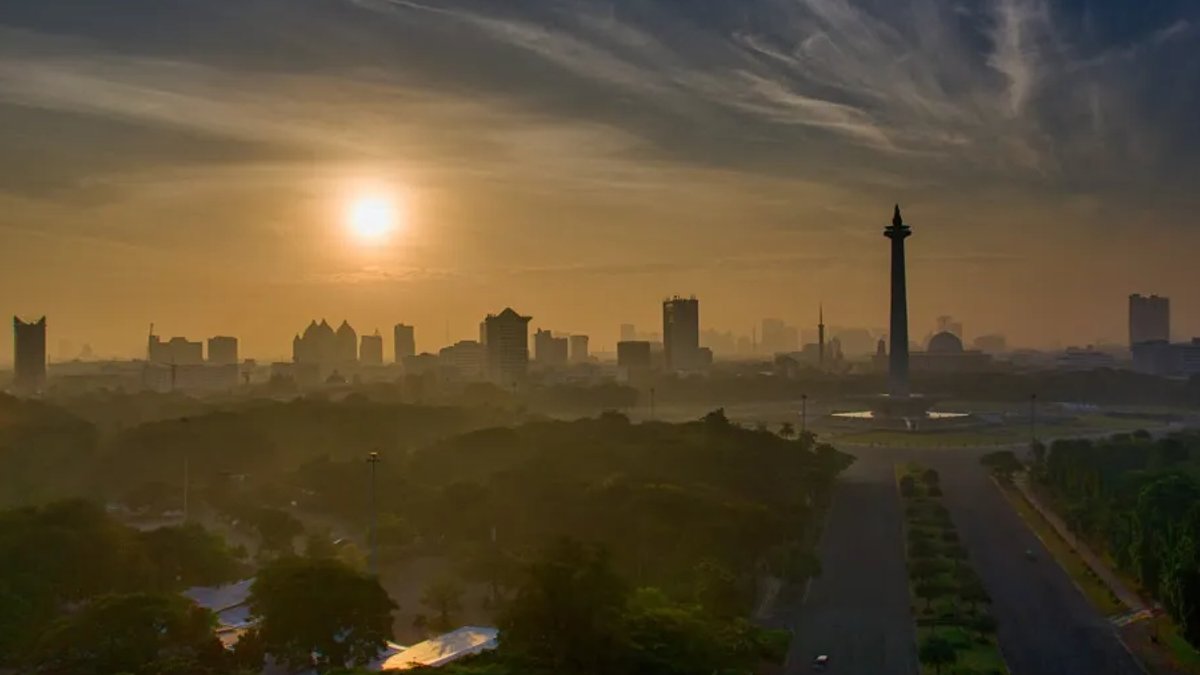
The Jakarta hotel market is on track for a more active second half of 2026 as an influx of branded properties begins to hit the city. Supply growth effectively stalled during the first two quarters of the year, with zero new rooms added to the inventory through June.
Data shows a clear divide between asset classes during the first half of the year. Upscale and luxury properties saw revenue per available room climb, primarily due to higher booking volumes. Meanwhile, the midscale segment struggled, experiencing a decline in revenue per available room as daily rates slipped, even though occupancy levels stayed relatively consistent.
Developers might pivot toward higher-tier projects to capture the current momentum, leaving the midscale sector to stagnate if pricing pressures continue. This trend creates a situation where luxury assets command most of the available capital, while older or budget-conscious properties face difficulty maintaining profitability without significant reinvestment.
Investment activity throughout the capital remained quiet.
The transaction involving the Waldorf Astoria Jakarta stands as the sole hotel sale recorded in the city during the first half of the year. This deal points to an appetite for high-end assets, particularly from Middle Eastern investors looking at the broader Southeast Asian market.
The recovery of the meetings, incentives, conferences, and exhibitions sector remains a lingering uncertainty for operators. While this segment has shown weakness, experts anticipate that upscale hotels will stay resilient thanks to steady corporate and local demand. The government is also working to bolster the long-term outlook through the Indonesia 2025-2029 National Medium Term Development Plan.
This plan aims to cultivate tourism through the creation of 10 special economic zones. Officials intend to support this growth by prioritizing the construction of modern convention facilities and encouraging further luxury hotel development. These initiatives are designed to draw fresh investment and potentially stabilize the commercial environment as corporate travel needs evolve across the region.
New branded supply is expected to arrive in western Jakarta and the central business district before the end of the year. This incoming capacity should change the current flat supply trajectory. The success of these new openings will likely depend on whether the projected rise in business activity matches the increase in available rooms.
Industry analysts maintain that the broader commercial sector must adapt to changing consumer behaviors to remain competitive. Many experts believe that the integration of digital services within hospitality properties will define the next phase of market development. As more international brands enter the city, local operators face pressure to upgrade their existing facilities to meet international standards. These entities are monitoring international travel trends to adjust their marketing strategies accordingly.


